
Only the Rooster and I are out this morning.
He’s strutting proud and loud.
I’m still, and in awe at the beauty around me.
Reverence.
Only the Rooster and I are out this morning.
He’s strutting proud and loud.
I’m still, and in awe at the beauty around me.
Reverence.

Memorial Day
I honor those who have died
(need more diplomats)

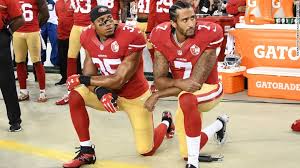
American is all a twitter (pun intended) over NFL players taking a knee during the national anthem before a football game. So many think that the players are being disrespectful to the military, the flag, country, etc. That they are being “un-American.”
Take A Knee means we can do better as Americans. In this case, we can do better about social justice in particular about how law enforcement treats blacks. There has been much evidence that justice isn’t always blind, and, therefore, #TakeAKnee is to bring attention to that issue so that we can do better as Americans.
NFL player, Eric Reid (no relation), was the first player to kneel with Colin Kaepernick in 2016. He did so to protest police brutality and was motivated by his faith. “Faith by itself, if it does not have works, is dead,” he said in a New York Times interview.
American was founded on ideals– with an “L” about how we can do better. “Liberty and justice for all” “All men are created equal” We didn’t implement these ideals well in the beginning. We, eventually decided we can do better. So we abolished slavery because we decided we can do better and not enslave people for economic gain. It took a civil war, but we did it. We eventually granted women the right to vote because we believed we can do better. It took protests and imprisonment and punishment, but we did it.
Civil rights, women’s rights, human rights… it’s not about taking away someone’s rights, it’s about we can do better about moving closer to living the ideals of the founding of our country.
We don’t have leaders in DC, or in many houses of faith for that matter, who are willing to express thoughtful language that inspires us to do better. So it’s up to us, we the people, to be careful with each other. Focus on what we have in common. Have compassion for each other. Remember, we don’t really know what others are experiencing and so let’s listen, connect, try…
We are the ones who can do better.
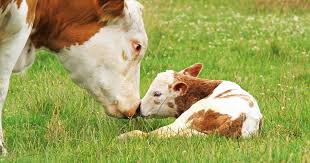
Here’s something you can easily do today to make the world a better place… skip meat today.
There is a trend called “Meatless Mondays,” but that implies you have to do “without something.” I’d like to turn that around and make it proactive…just skip eating meat today, and every Monday. No big deal to you. In fact there are many benefits.
Here are just a few of those benefits from the folks at “Meatless Monday:”
Why Meatless?
Because going meatless once a week may reduce your risk of chronic preventable conditions like cancer, cardiovascular disease, diabetes, and obesity. And going meatless once a week can also help reduce our carbon footprint and save precious resources like fossil fuels and fresh water.
For Your Health:
Reduce Heart Disease and Stroke—Vegetables, fruit, and whole grains have been shown to protect against cardiovascular disease. One study found that each daily serving of fruits or vegetables was associated with a 4% decline in coronary heart disease, and a 5% lower risk of stroke.[1] Another study found that a diet of 2.5 or more servings of whole grain per day was associated with a 21% lower risk of cardiovascular disease (heart disease, stroke, fatal cardiovascular disease).[2]
Limit Cancer Risk—There is convincing evidence that red meat and processed meat consumption increases the risk of colorectal cancer. There is also limited but suggestive evidence that red meat increases the risk of esophagus, lung, pancreas, and endometrium cancer and that processed meat consumption increases the risk of esophagus, lung, stomach, and prostate cancer. In contrast, a diet rich in fruit and vegetables decreases the risk of several types of cancers, including mouth, pharynx, larynx, esophagus, and stomach, evidence suggests.[3]
Fight Diabetes—Research suggests that plant-based diets, particularly those low in processed meat, can reduce your risk of type 2 diabetes.[4] Eating a plant-based diet can decrease total calorie consumption which helps you obtain and maintain a healthy weight, a key component to preventing and treating diabetes.[5]
Curb Obesity—Several large studies in Europe and the United States have demonstrated that people on plant-based, vegetarian diets tend to have a significantly lower body weight and body mass index (BMI). This may be in part because plant-based diets are rich in fiber (which is not found in animal products). Fiber contributes to fullness, resulting in lower calorie intake and less overeating.[6],[7],[8],[9]
Live Longer—Evidence suggests that eating a diet rich in fruits and vegetables, and a limited amount of red meat can increase longevity, whereas red and processed meat consumption is associated with increases in deaths due to cancer and cardiovascular disease.[10]
Improve The Nutritional Quality of Your Diet—Going meatless encourages consumption of plant-based sources of protein, like beans and peas. Consuming beans and peas results in a higher intake of fiber, protein, folate, zinc, iron, and magnesium. Also, diets high in beans and peas are associated with lower intakes of saturated fat and total fat.[11]
For Your Wallet:
Curb Healthcare Spending—Each year in the United States, chronic diseases like heart disease, stroke, cancer, and diabetes cause 7 in 10 deaths, and account for 75% of the $2 trillion spent on medical care.[12] In 2008, the estimated health care costs related to obesity were $147 billion.[13] By reducing our risk for these conditions, we can curtail healthcare spending nationwide.
Cut Weekly Budget—Many people save money by adding meatless meals to their weekly menus. Meatless meals are built around vegetables, beans and grains—instead of meat, which tends to be more expensive.[14] This is partly because producing meat requires extra expenses like feed and transportation. Though it can be challenging to serve healthy meals on a budget, going meatless once a week can help conserve money for more fruits and vegetables.
For the Environment:
Minimize Water Usage—The water needs of livestock are much greater than those of vegetables and grains.
– Approximately 1,850 gallons of water are needed to produce a single pound of beef.
– Approximately 39 gallons of water are needed to produce a pound of vegetables.[15]
Americans consume nearly four times the amount of animal protein than the global average.[16] When compared with current food intake in the US, a vegetarian diet could reduce water consumption by up to 58% per person.[17]
Reduce Greenhouse Gases —Studies show that meat production produces significantly more greenhouse gases than vegetables, including carbon dioxide, Methane and Nitrous Oxide – the three main contributing sources of greenhouse gas. Beef was found to produce a total of 30 kg of greenhouse gas (GHG) per kg of food, while carrots, potatoes and rice produce .42, .45 and 1.3 kg GHG per kg of food, respectively.[18]
Reduce Fuel Dependence—About 25 kilocalories of fossil fuel energy is used to produce 1 kilocalorie of all meat based protein, as compared with 2.2 kilocalories of fossil fuel input per 1 kilocalorie of grain based protein produced.[19] The meat industry uses so much energy to produce grain for livestock that if instead we used the grain to feed people following a vegetarian diet, it would be enough to feed about 840 million people.[20]

“And I dream too much
and I don’t write enough
and I’m trying to find God everywhere”
-Anis Mojgani

Your sacred space is where you can find yourself over and over again.
-Joseph Campbell
“But what is happiness except the simple harmony between a man and the life he leads?”
-Albert Camus

Go all the way with it.
Do not back off.
For once, go all the goddamn way with what matters.
-Ernest Hemingway

Conditions are never perfect. “Someday” is a disease that will take your dreams to the grave with you. If it’s important to you and you want to do it “eventually,” just do it and correct course along the way. -Timothy Ferriss
 BethenyReid